Switch agents.
Keep everything.
The last agent orchestrator you’ll ever need.
Claude Code, Codex, pi, OpenCode and any ACP agent in one Mac app. Switch engines mid-chat and keep your history, extensions and settings.
macOS 13+ · Apple silicon · signed and notarized · all releases
- [CC]01Claude Code
Pay charges twice on a double click.
GrepsubmitPayment src/runningwaitingdone3 matchesEach click makes a new payment intent. I’ll key it by cart.
Editsrc/checkout/pay.tsrunningwaitingdoneBashgit push -u origin fix/double-chargerunningwaitingallowedAllow Bash?ApproveDenyPushed. Ready for a PR.
- [CX]02Codex
Receipts show UTC times.
Readsrc/receipts/format.tsrunningwaitingdoneformatDateignores the store’s timezone. Passing it through.Editsrc/receipts/format.tsrunningwaitingdoneBashnpm test -- receiptsrunningwaitingdone12 passedFixed. 12 tests pass.
- [OC]03OpenCode
Document the new idempotency key.
Readsrc/checkout/pay.tsrunningwaitingdoneEditdocs/checkout.mdrunningwaitingdoneAdded a section on retries and why the cart version is part of the key.
- [PI]04pi
Worker task: add a regression test for the double charge.
writesrc/checkout/pay.test.tsrunningwaitingdonebashnpm test -- checkoutrunningwaitingdone6 passedWorker reportedRegression test for the double charge2 files +32 −0MergeSquashKeepDiscard - [ACP]05Any ACP agent
Rename API_URL to PAYMENTS_URL.
searchAPI_URLrunningwaitingdone7 matches in 4 filesedit4 filesrunningwaitingdoneRenamed in 4 files.
.envis outside my folder, so I left it for you.
Claude Code, Codex, OpenCode and pi, each signed in with your own account.
Kothar drives every engine headless through its own protocol, so your subscription or API key pays for the work. Any agent that speaks the Agent Client Protocol can be added. The chat’s history lives in Kothar, not in the engine, so the next message can go to a different one.
How engines work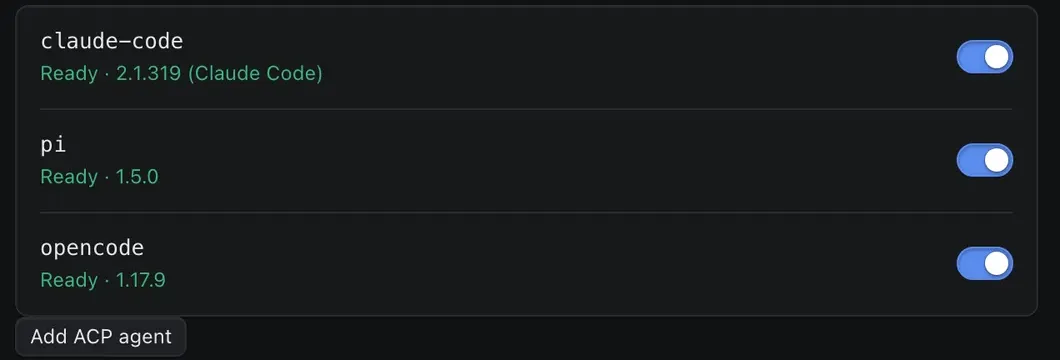
Write an extension once and it works with every engine.
Extensions add tools, panels and settings through one API, which is MIT-licensed. Artifacts, Browser, Deep Research, Git, Notes, Plan, MCP servers and more ship built in, each with its own switch. Themes and community extensions install from the Marketplace.
Extensions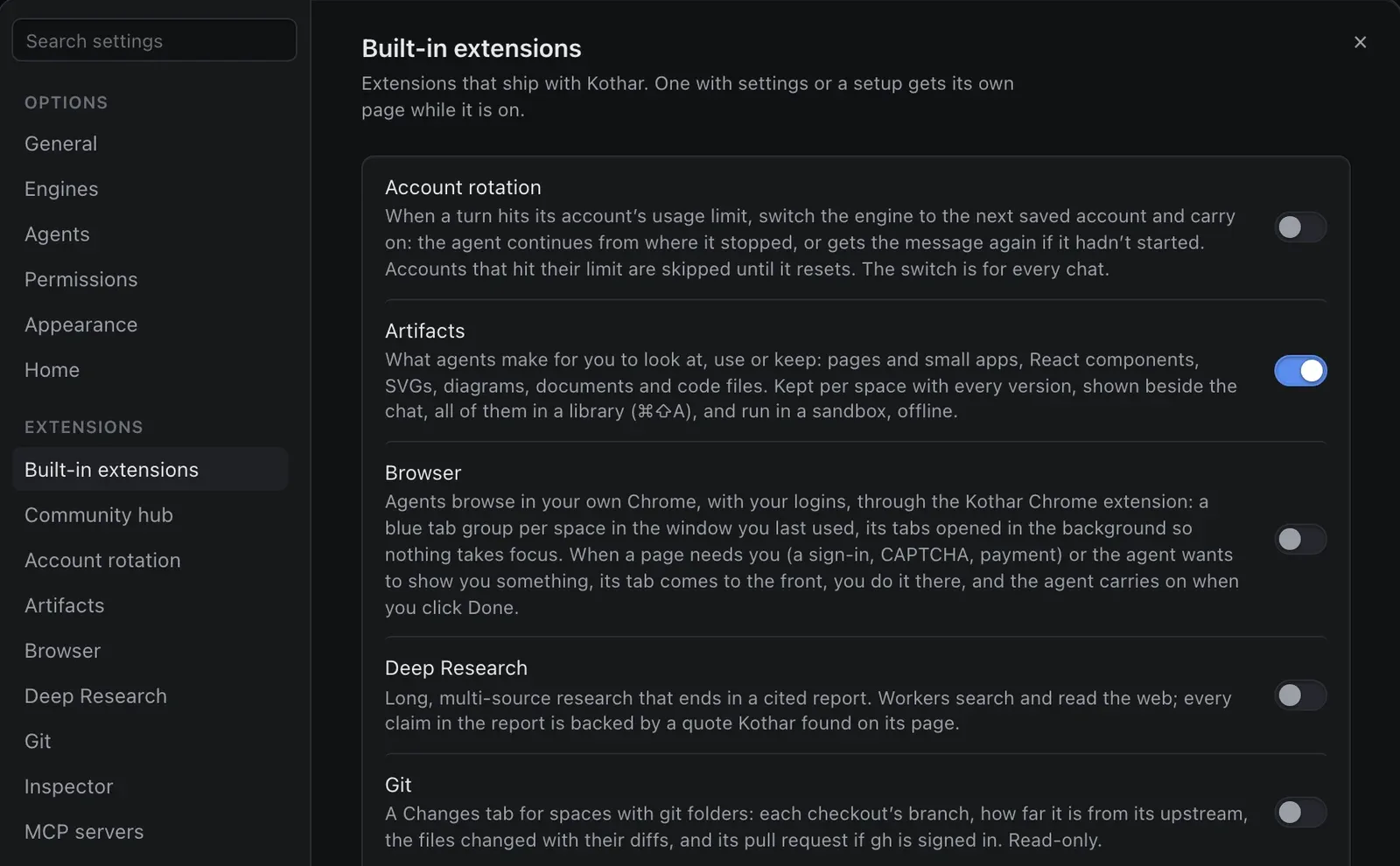
Agents work inside a sandboxed folder. Anything outside it waits for you.
A push, a write somewhere else, a network call: each shows up as a card in the chat with the exact command, and nothing happens until you approve or deny it. The sandbox is macOS’s own.
Permissions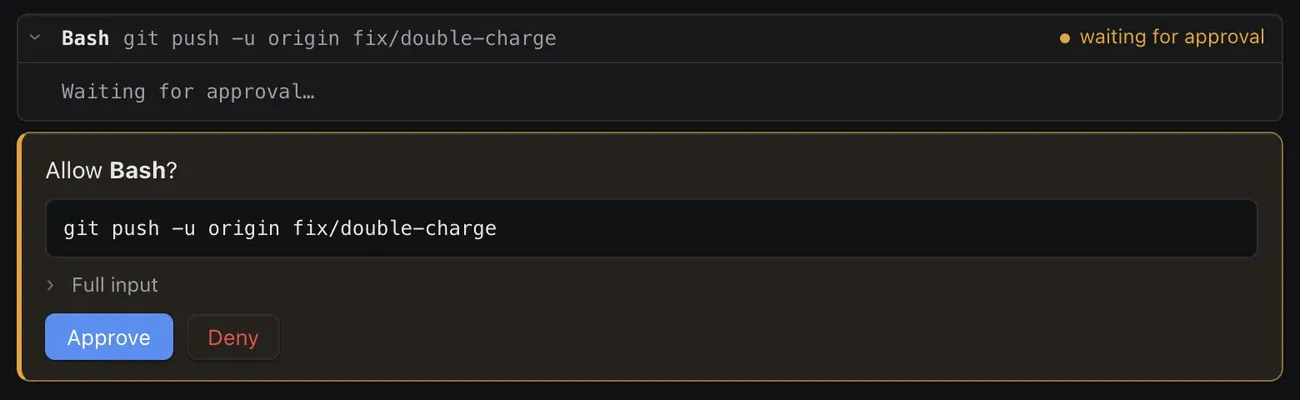
Hand a task to a worker and keep talking to the lead.
Each worker runs on its own branch while you carry on. When it reports back, its changes wait in the chat: Merge keeps its commits, Squash lands them as one, or you keep or discard the branch.
Workers
See what each chat and its workers cost, as the engines report it.
Tokens in and out, cache reads and writes, and cost per chat, with workers on their own line. A subscription is billed its own way, and the popover says so.
Usage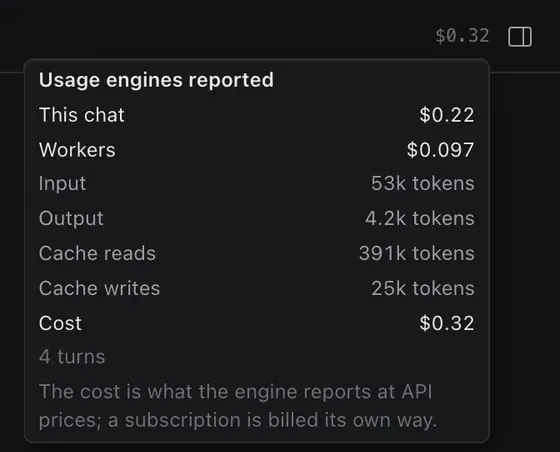
Kothar is built by one person.
I’m Bill. I had Claude Code, Codex and pi open in separate terminals and kept losing track of which one was doing what. In November 2026 I started building one app to drive them all.
It’s early and it has rough edges. If something breaks or is missing, open an issue on GitHub. The code is source-available, so you can read exactly what it does.
The name comes from Kothar-wa-Khasis, the craftsman of Ugaritic myth who built the gods’ tools.
If you want to see where it goes, a star on GitHub helps more than you’d think.
Free. macOS 13+, Apple silicon.